

Matsuo Bashō (1644–1694) is widely regarded as the greatest poet of Japan’s Edo period.
More than three centuries after his death, Bashō remains one of the most celebrated figures in Japanese literature.
Born near Kyoto in the province of Iga, Bashō was originally named Matsuo Kinsaku. As a young man, he developed a passion for poetry and eventually moved to Edo (modern-day Tokyo), where he gained recognition as a teacher and poet. The pen name “Bashō” derives from a banana plant (bashō in Japanese) that grew beside his simple hut and became a symbol of his modest way of life.
Bashō travelled extensively throughout Japan, believing that direct experience of landscapes, seasons, and local culture was essential to poetic creation. His journeys inspired several travel diaries, the most famous of which is Oku no Hosomichi (The Narrow Road to the Deep North), a masterpiece that combines prose and poetry. Through his travels, Bashō sought not merely to observe the world but to achieve a deeper understanding of it.
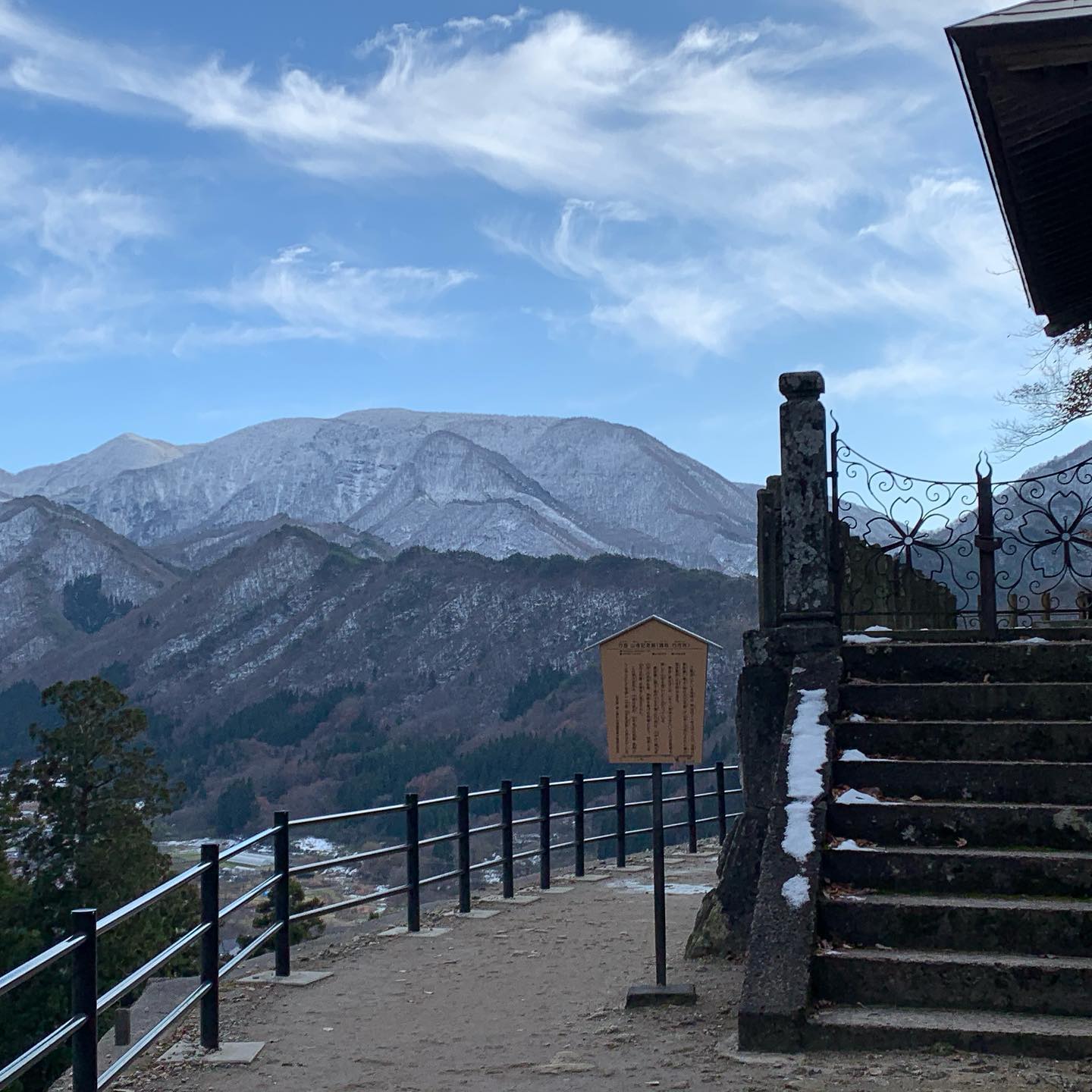
A few years ago, I had the opportunity to visit Yamadera, the mountain temple complex in Yamagata Prefecture that Bashō visited during his journey to the north. I also spent time in the Bashō Museum, where his travels and poetry are presented in their historical context. The visit brought his work to life in a way that books alone cannot achieve. The climb up the mountain, following steep stone steps through cedar forests to the ancient temples perched on the hillside, is both beautiful and contemplative. From the higher viewpoints, one can look out across the valley and surrounding mountains and imagine the very landscapes that Bashō himself once gazed upon more than three hundred years ago. Standing there, it is easy to understand how such scenery inspired poetry of lasting beauty and depth.